
Travel is no longer just about ticking destinations off a bucket list. Today’s conscious explorers seek meaningful connections, authentic cultural exchanges, and opportunities to leave positive footprints in the communities they visit.

Community-based tourism has emerged as a transformative approach that reshapes the traditional travel industry, placing local communities at the heart of the tourism experience. This model empowers residents to become active participants and beneficiaries rather than passive observers in their own backyards, creating a ripple effect of economic, social, and environmental benefits that extend far beyond typical tourist transactions.
🌍 Understanding Community-Based Tourism: More Than Just a Buzzword
Community-based tourism (CBT) represents a fundamental shift in how we conceptualize travel experiences. Unlike conventional tourism where large corporations dominate the landscape, CBT places decision-making power and economic benefits directly into the hands of local residents. This grassroots approach ensures that communities maintain control over tourism development in their areas while preserving their cultural heritage and natural resources.
The core principle revolves around sustainability in its truest sense. Local communities design, manage, and operate tourism activities that reflect their authentic way of life. Visitors don’t just observe culture from behind a camera lens; they participate in daily activities, learn traditional skills, and form genuine relationships with their hosts. This exchange creates mutual understanding and respect that transcends typical tourist-local dynamics.
What distinguishes community-based tourism from mainstream alternatives is its emphasis on equitable benefit distribution. Revenue generated from tourism activities circulates within the community, funding local development projects, education initiatives, and infrastructure improvements. This economic injection helps diversify income sources for families who might traditionally depend on single industries like agriculture or fishing.
The Authentic Experience Revolution
Modern travelers increasingly reject manufactured attractions and sanitized cultural performances. They crave authenticity, seeking experiences that reveal the genuine texture of local life. Community-based tourism delivers precisely this yearning for real connections and unscripted moments that create lasting memories.
Consider the difference between staying at an all-inclusive resort versus spending time with a family in a rural village. The latter offers insights no guidebook can provide: learning grandmother’s secret recipe passed down through generations, understanding agricultural cycles through hands-on farming, or hearing oral histories shared around evening fires. These immersive experiences transform travelers into temporary community members rather than transient observers.
Breaking Down Cultural Barriers Through Participation
Community-based tourism naturally facilitates cultural exchange in organic ways. When visitors participate in daily activities like harvesting crops, preparing traditional meals, or attending local ceremonies, they gain nuanced understanding of different worldviews and value systems. This participation dismantles stereotypes and builds empathy across cultural divides.
Language barriers become opportunities for creative communication rather than obstacles. Shared laughter over cooking mishaps, collaborative work on community projects, and non-verbal exchanges during craft workshops create bonds that transcend words. These interactions humanize both visitors and hosts, reminding everyone of our shared humanity despite geographical and cultural differences.
💰 Economic Empowerment at the Grassroots Level
The economic impact of community-based tourism extends far beyond simple income generation. This model creates multiplier effects throughout local economies, strengthening various sectors simultaneously. When tourists purchase handicrafts, they support artisan families. When they eat locally-sourced meals, they benefit farmers and food producers. When they hire local guides, they create employment for educated youth who might otherwise migrate to cities.
Financial benefits remain largely within the community rather than leaking to external corporations. This retention of tourism revenue allows communities to invest in priorities they determine themselves, whether that’s building schools, improving healthcare facilities, or protecting natural resources. The autonomy to make these decisions represents genuine empowerment rather than top-down development imposed by outside entities.
Creating Diverse Income Streams
Community-based tourism rarely replaces traditional livelihoods entirely. Instead, it complements existing economic activities, providing supplementary income that reduces vulnerability to market fluctuations or environmental challenges. A fishing family might offer boat tours during tourist season while maintaining their primary occupation. Farmers might host visitors during planting or harvest periods, educating guests about sustainable agriculture while generating additional revenue.
This diversification proves particularly valuable for women and youth, who often face limited economic opportunities in traditional sectors. Tourism activities like homestay management, craft production, and cultural performance provide income-generating paths that respect local social norms while expanding participation in the cash economy.
Preservation Through Pride: Cultural Heritage in Community Tourism
One of the most profound impacts of community-based tourism manifests in cultural preservation and revitalization. When communities recognize that their traditions, languages, crafts, and knowledge systems hold value for visitors, they invest renewed effort in maintaining these cultural assets. Tourism becomes a catalyst for cultural pride rather than a threat to traditional ways of life.
Elderly community members often play central roles as knowledge keepers, teaching younger generations traditional skills that might otherwise fade. Weaving techniques, medicinal plant knowledge, ceremonial practices, and oral histories find new relevance when tourists express genuine interest. This intergenerational knowledge transfer strengthens community cohesion while ensuring cultural continuity.
Language preservation represents another significant benefit. Indigenous and minority languages facing extinction gain practical value when community tourism creates demand for authentic linguistic experiences. Youth who might otherwise abandon their heritage language recognize its cultural and economic worth, motivating continued use and transmission to future generations.
🌱 Environmental Stewardship Through Community Ownership
Community-based tourism models inherently encourage environmental conservation. When communities directly benefit from natural resources through tourism, they become invested stakeholders in protection efforts. Forests, waterways, wildlife, and landscapes transform from abstract conservation concepts into tangible economic assets worth preserving.
This ownership mentality contrasts sharply with scenarios where external entities extract resources or profit from natural attractions without community involvement. Local residents understand their ecosystems intimately and possess traditional ecological knowledge accumulated over generations. Community-based tourism harnesses this expertise, creating conservation approaches that blend indigenous wisdom with modern sustainability practices.
Sustainable Practices as Standard Protocol
Community tourism initiatives typically embrace environmental sustainability from inception. Small-scale operations minimize ecological footprints compared to large resorts. Traditional building materials and techniques reduce construction impacts. Locally-sourced food reduces transportation emissions while supporting regional agriculture. Waste management systems reflect community values and local capacity rather than generating pollution beyond community absorption capabilities.
Many community tourism projects actively incorporate conservation activities into visitor experiences. Guests participate in reforestation efforts, wildlife monitoring, coastal cleanups, or habitat restoration projects. These activities provide hands-on education about environmental challenges while generating tangible conservation outcomes that outlast the visitor’s stay.
Successful Models Transforming Communities Worldwide
Community-based tourism manifests in diverse forms adapted to local contexts, but certain successful models offer blueprints for others to adapt. Homestay networks represent perhaps the most widespread approach, with families opening their homes to visitors seeking authentic cultural immersion. These arrangements range from simple room provision to fully integrated experiences where guests participate in daily family activities.
Cultural tourism cooperatives pool community resources to offer coordinated experiences. These organizations might manage cultural centers showcasing traditional arts, organize festivals highlighting local heritage, or coordinate guided tours led by trained community members. Cooperative structures ensure equitable benefit distribution while providing organizational capacity individual families might lack.
Ecotourism Initiatives Led by Indigenous Communities
Indigenous communities worldwide have pioneered ecotourism models that blend conservation, cultural preservation, and economic development. These initiatives often center on protected areas within indigenous territories, where community members serve as guides, sharing their profound understanding of local ecosystems and spiritual connections to land. Revenue generated supports community governance structures and funds cultural programs alongside conservation efforts.
Agritourism represents another growing model where farming communities welcome visitors to participate in agricultural activities. Guests learn about traditional farming methods, organic practices, and food systems while contributing labor during busy seasons. These experiences satisfy urban visitors’ desire to reconnect with food sources while providing farmers with additional income and cross-cultural exchange opportunities.
🔧 Overcoming Challenges in Community Tourism Development
Despite its many benefits, community-based tourism faces significant challenges that require thoughtful navigation. Capacity building represents a fundamental hurdle, as communities may lack experience in tourism management, marketing, hospitality standards, or financial administration. External support through training programs, mentorship, and technical assistance proves essential during initial development phases.
Balancing tourism development with cultural authenticity requires constant vigilance. Communities must resist pressures to modify traditions for tourist preferences or create artificial performances that distort genuine cultural expressions. Maintaining this authenticity while meeting visitor expectations demands clear communication and education about appropriate tourist behavior and realistic experience expectations.
Infrastructure and Resource Limitations
Many communities interested in tourism development face infrastructure constraints including limited accommodation facilities, transportation challenges, inadequate sanitation systems, or unreliable internet connectivity. Developing necessary infrastructure without destroying the rural character that attracts visitors requires careful planning and phased development approaches that respect community pace and preferences.
Seasonality presents another challenge, with tourism demand often concentrated in specific periods, creating income fluctuations and potential overcrowding during peak seasons while leaving communities underutilized during low periods. Diversifying attractions, targeting different visitor segments, and developing complementary income sources helps mitigate seasonality impacts.
Technology Enabling Community Tourism Connections
Digital platforms have revolutionized how communities connect with potential visitors, breaking down geographical barriers and eliminating dependence on traditional tour operators. Community tourism initiatives now utilize social media, dedicated websites, and specialized booking platforms to reach global audiences while maintaining direct relationships with visitors.
Online presence allows communities to tell their own stories authentically rather than having their narratives filtered through external intermediaries. Photo sharing, video documentaries, and blog content produced by community members showcase genuine experiences while building anticipation among prospective visitors. This direct marketing reduces costs while ensuring communities retain control over their representation.
Mobile Applications Supporting Sustainable Travel
Several mobile applications specifically support community-based tourism discovery and booking. These platforms prioritize ethical travel experiences, connecting conscious travelers with verified community initiatives that meet sustainability and fair trade criteria. Features often include detailed community profiles, transparent pricing structures showing benefit distribution, and communication tools facilitating pre-trip engagement.
Translation applications help bridge language gaps during community visits, while offline maps and guides ensure travelers can navigate rural areas with limited connectivity. Digital payment systems facilitate secure transactions even in remote locations, ensuring communities receive payment directly without intermediaries taking excessive commissions.
🤝 The Role of Responsible Travelers in Community Tourism Success
Community-based tourism’s success depends equally on visitor attitudes and behaviors as on community organization. Responsible travelers approach these experiences with humility, curiosity, and respect rather than entitlement or expectations of luxury conforming to international hotel standards. They recognize themselves as guests in someone’s home and community, adapting to local customs rather than demanding adaptations to their preferences.
Preparation proves essential for meaningful community tourism experiences. Responsible visitors research cultural norms, appropriate dress codes, photography etiquette, and gift-giving practices before arrival. They learn basic phrases in local languages, demonstrating respect for communication in hosts’ linguistic contexts. This preparation facilitates smoother interactions and deeper connections during visits.
Mindful Spending and Sustainable Practices
Where and how travelers spend money significantly impacts community benefit. Purchasing directly from artisans rather than through intermediaries maximizes income retention. Choosing locally-owned accommodation and restaurants over chain establishments keeps revenue circulating locally. Hiring community guides rather than external tour companies ensures local expertise is valued and compensated fairly.
Responsible travelers also minimize their environmental footprint by respecting local waste management systems, conserving water and energy, using refillable bottles, and participating in conservation activities when opportunities arise. They recognize that infrastructure in small communities may be fragile and adjust consumption patterns accordingly rather than straining local resources.
Future Trajectories: Scaling Community Tourism While Maintaining Integrity
As community-based tourism gains recognition and popularity, questions arise about scaling these models without compromising the authenticity and community control that define them. Growth must be managed carefully to prevent overtourism that overwhelms small communities or transforms them into cultural theme parks rather than living, functioning societies.
Network approaches offer one promising scaling strategy, where multiple communities collaborate through regional or thematic associations. These networks allow for visitor distribution across communities, preventing overconcentration while enabling resource sharing, collective marketing, and mutual learning among participating communities. Such collaboration maintains individual community character while achieving economies of scale in promotion and capacity building.
Policy Support and Recognition
Government recognition and support for community-based tourism models can accelerate sustainable development while ensuring appropriate regulatory frameworks. Policies that simplify licensing for small-scale community initiatives, provide access to microfinance, and include community representatives in tourism planning discussions validate these approaches and create enabling environments for expansion.
International certification systems and quality standards adapted for community tourism help visitors identify genuine initiatives while protecting communities from exploitation by entities falsely claiming community-based credentials. These frameworks must balance standardization with flexibility recognizing diverse cultural contexts and community capacities.
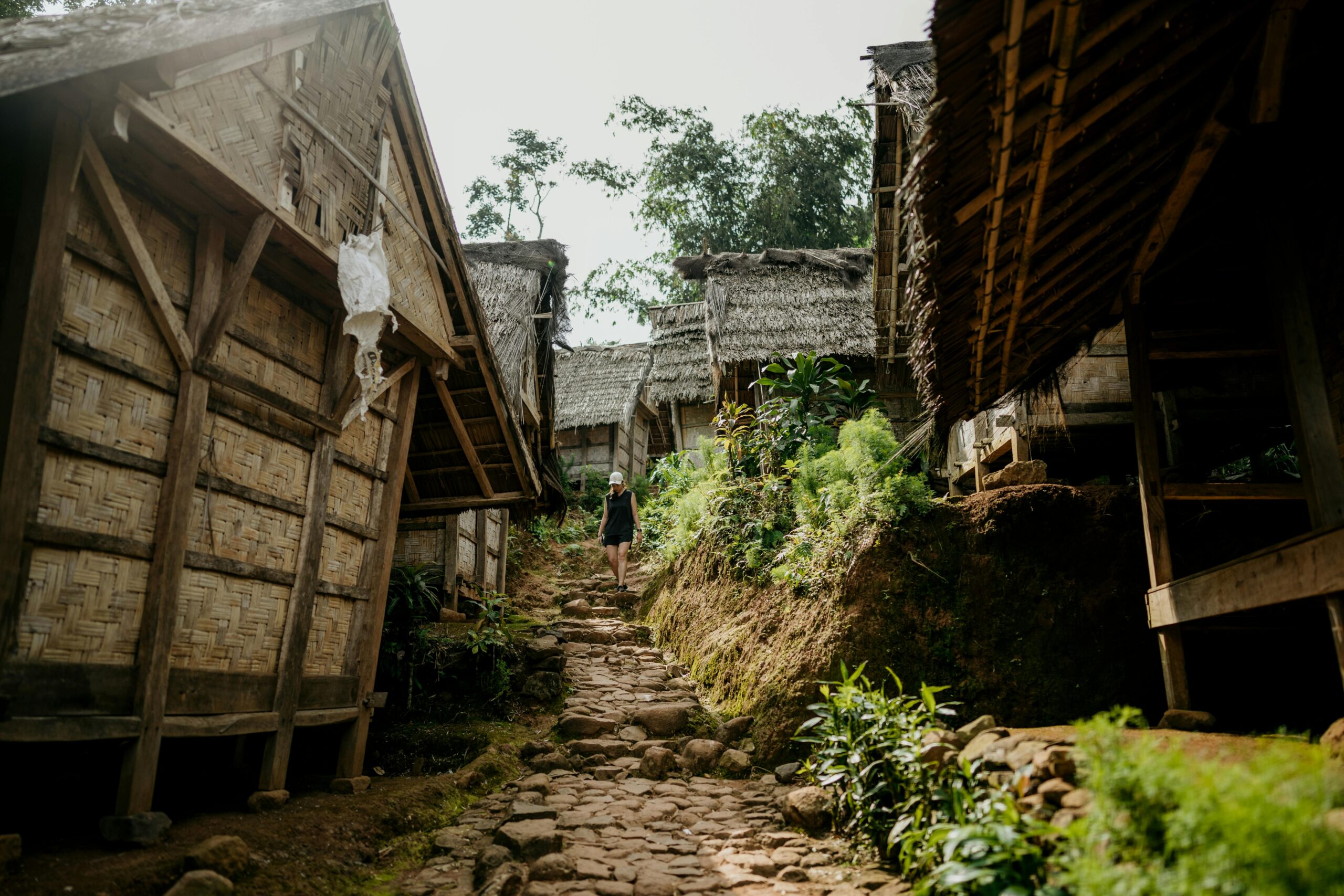
🌟 Transforming Global Tourism One Community at a Time
Community-based tourism represents more than an alternative niche within the broader tourism industry. It embodies a fundamental reimagining of travel’s purpose and impact, positioning tourism as a tool for empowerment, cultural preservation, and sustainable development rather than mere entertainment or escape. Each community that successfully implements these models demonstrates tourism’s potential to strengthen rather than exploit, to preserve rather than homogenize, and to connect rather than divide.
The transformation extends beyond individual communities to influence the entire tourism sector. As more travelers seek authentic, meaningful experiences, mainstream tourism operators face pressure to adopt more sustainable, community-centered approaches. This ripple effect gradually shifts industry norms toward models prioritizing local benefit and environmental stewardship alongside visitor satisfaction.
For travelers willing to step beyond comfort zones and embrace genuine cultural exchange, community-based tourism offers incomparable rewards. The memories created through shared meals, collaborative work, heartfelt conversations, and authentic cultural participation far surpass photographs at famous landmarks. These experiences reshape perspectives, build global citizenship, and create lasting connections that transcend the journey itself.
The path forward requires continued commitment from all stakeholders: communities willing to welcome visitors while maintaining cultural integrity, travelers approaching experiences with respect and openness, support organizations providing capacity building without imposing external agendas, and policymakers creating enabling environments. Together, these actors can ensure community-based tourism realizes its transformative potential, proving that travel can indeed be a force for positive change in our interconnected world.