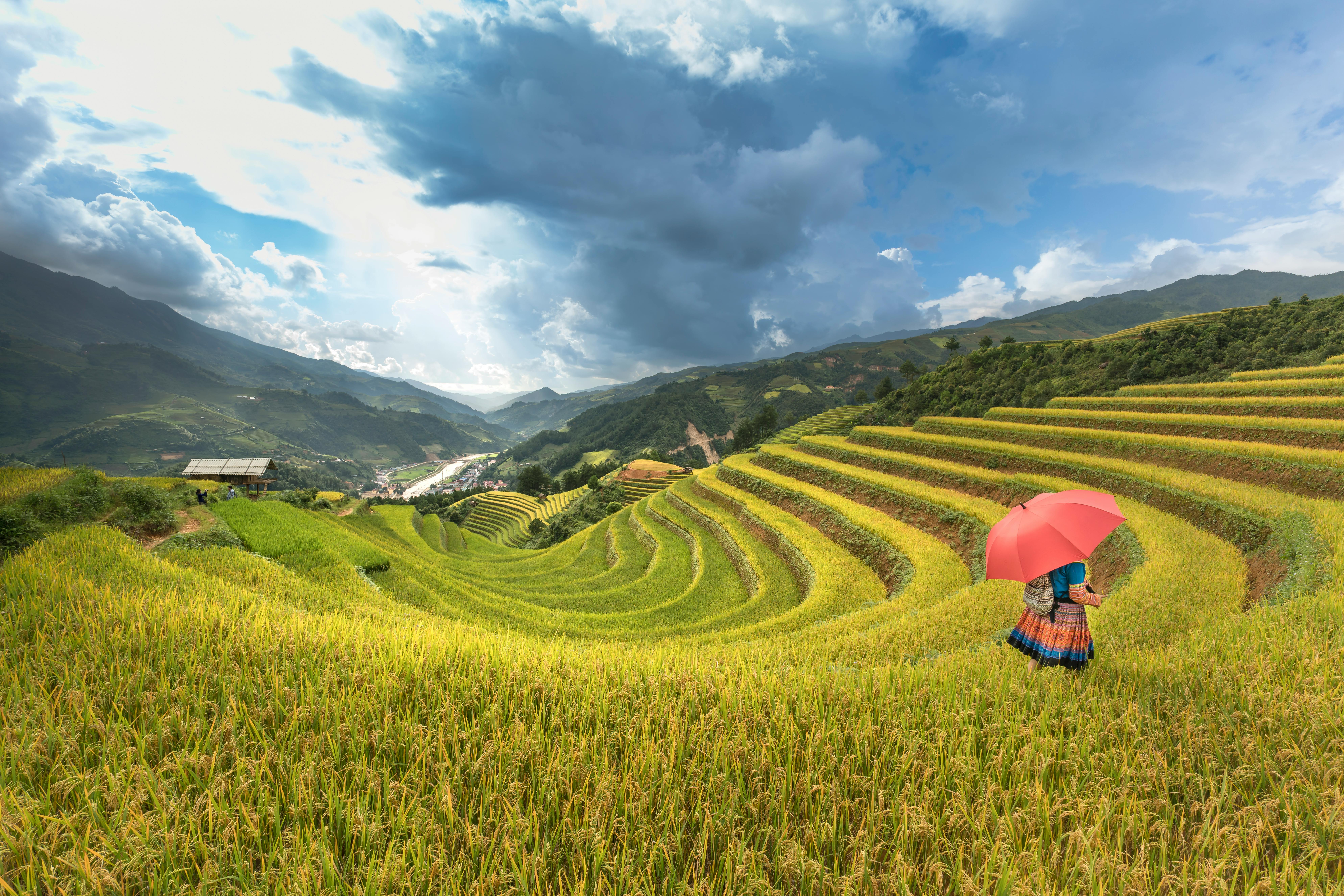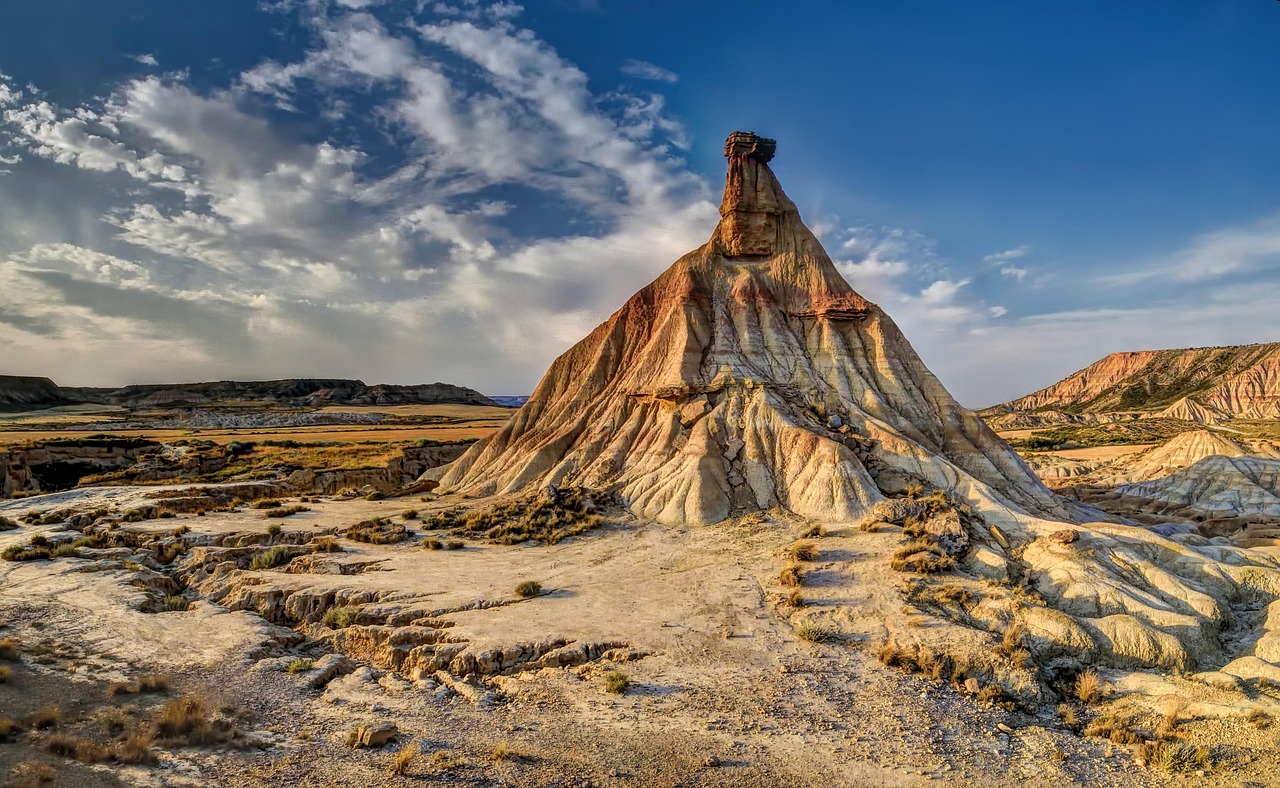
In a world obsessed with speed and efficiency, slow travel emerges as a refreshing antidote to the hurried tourist experience. It invites us to pause, breathe deeply, and truly connect with the places we visit and the people we meet along the way.

This mindful approach to exploration isn’t just about spending more time in one location—it’s about transforming how we engage with travel itself. Slow travel encourages us to trade superficial sightseeing for authentic experiences, fostering deeper connections with cultures, communities, and ourselves. By embracing this philosophy, we create journeys that resonate long after our footprints have faded from foreign soil.
🌍 Understanding the Philosophy Behind Slow Travel
Slow travel represents a fundamental shift in how we approach wandering the world. Rather than rushing through ten cities in two weeks, this philosophy advocates for immersing yourself in fewer destinations with greater intentionality. The concept draws inspiration from the Slow Food movement that originated in Italy during the 1980s, emphasizing quality over quantity and sustainability over consumption.
At its core, slow travel challenges the conventional bucket-list mentality that treats destinations as items to check off rather than experiences to savor. This approach recognizes that meaningful travel isn’t measured by the number of countries visited or landmarks photographed, but by the depth of understanding and genuine connections forged during the journey.
The philosophy encourages travelers to adopt a local rhythm, shopping at neighborhood markets, conversing with residents, and discovering hidden gems that don’t appear in guidebooks. It’s about trading airport lounges for train compartments, luxury hotels for family-run guesthouses, and orchestrated tours for spontaneous discoveries.
The Environmental and Cultural Benefits of Moving Slowly
When we slow down our travels, we naturally reduce our environmental footprint. Fewer flights, less transportation between destinations, and longer stays in single locations all contribute to decreased carbon emissions. This conscious approach to movement aligns perfectly with sustainable tourism practices that protect the places we love to visit.
Beyond environmental considerations, slow travel supports local economies more effectively than conventional tourism. Extended stays mean more money circulates within communities through local accommodations, restaurants, and small businesses rather than international hotel chains and tour operators. Your spending becomes an investment in preserving authentic cultural experiences.
Culturally, this approach reduces overtourism’s negative impacts on popular destinations. When travelers disperse to lesser-known areas and spend extended periods in each location, they alleviate pressure on overcrowded hotspots while discovering authentic corners of the world that mass tourism hasn’t transformed.
Building Bridges Through Extended Cultural Immersion
Staying in one place long enough allows you to move beyond tourist attractions and experience daily life as locals live it. You’ll discover the neighborhood bakery with the best bread, learn which day the farmer’s market offers the freshest produce, and recognize familiar faces on your regular walking routes. These simple rhythms create a sense of belonging that fast-paced itineraries can never deliver.
Language acquisition happens naturally when you’re immersed in a place for weeks or months rather than days. Even if you never become fluent, the effort to communicate in the local language demonstrates respect and opens doors to authentic interactions that would otherwise remain closed to typical tourists.
Practical Strategies for Embracing Slow Travel Adventures
Transitioning from conventional travel to slow travel requires rethinking your planning approach. Start by selecting fewer destinations and allocating more time to each. Instead of covering an entire country in two weeks, consider exploring just one or two regions thoroughly. This allows for day trips, spontaneous detours, and rest days without the constant pressure of rushing to the next destination.
Accommodation choices significantly impact the quality of slow travel experiences. Consider renting apartments or houses through local platforms rather than staying in hotels. Having your own kitchen allows you to shop at local markets, prepare regional recipes, and experience the domestic rhythms of your temporary home. Many slow travelers also explore house-sitting opportunities or cultural exchange programs that provide accommodation in return for light duties.
Transportation Choices That Enhance the Journey
How you move between destinations profoundly affects your travel experience. Trains, buses, and ferries offer opportunities to observe landscapes, interact with locals, and arrive at your destination feeling connected to the journey itself. These slower modes of transportation transform travel time from dead hours to integral parts of your adventure.
Consider alternative transportation methods like cycling tours, walking pilgrimages, or even canal boat journeys. These approaches naturally limit how far you can travel, forcing you to engage more deeply with the places along your route. The physical effort required also creates a stronger connection to the landscape you’re traversing.
Creating Meaningful Connections on the Road 🤝
Authentic relationships form the heart of slow travel experiences. When you stay in one place long enough, acquaintances evolve into friendships. The café owner remembers your order, neighbors invite you to family gatherings, and you become part of the community fabric rather than merely observing from outside.
Seek out opportunities for cultural exchange through volunteering, language exchanges, or skill-sharing workshops. Many communities welcome travelers who can teach English, assist with environmental projects, or contribute their professional skills to local initiatives. These reciprocal relationships ensure your presence adds value to the communities hosting you.
Join local clubs, classes, or regular events that align with your interests. Whether it’s a cooking class, hiking group, art workshop, or sports team, these activities connect you with like-minded locals in contexts where shared interests transcend cultural and language barriers. The friendships formed through common passions often prove more meaningful than those based solely on tourist-host dynamics.
Digital Tools for Building Local Connections
Modern technology offers valuable resources for connecting with local communities. Apps and platforms dedicated to language exchange, cultural experiences, and community events can help you find opportunities for authentic engagement. Social media groups focused on specific locations often welcome travelers and provide insider recommendations that guidebooks miss.
Couchsurfing communities, while initially focused on accommodation, have evolved into networks for cultural exchange and local connections regardless of where you stay. Attending meetups and events organized through these platforms introduces you to both locals and fellow travelers who share slow travel values.
Designing Your Days with Intention and Flexibility
Slow travel doesn’t mean having no plans—it means leaving space for spontaneity within a flexible framework. Rather than scheduling every hour, identify a few priority experiences or places you’d like to explore each week, then allow abundant unstructured time for wandering, resting, and following unexpected opportunities.
Embrace the art of doing less. Resist the temptation to fill every moment with activities or sightseeing. Some of your most memorable travel moments will emerge from afternoons spent reading in a park, long conversations over coffee, or simply observing daily life from a neighborhood bench. These seemingly “unproductive” hours often yield the deepest insights and most authentic experiences.
Establish routines that ground you in your temporary home. Perhaps you’ll start each morning with coffee at the same café, take evening walks along a favorite route, or visit the weekly market. These rituals create continuity and comfort while allowing you to observe subtle changes and seasonal shifts in your adopted community.
Balancing Structure with Spontaneous Discovery ✨
Create theme days or weeks that loosely organize your exploration without rigidly constraining it. You might dedicate one week to understanding local food culture, another to exploring natural surroundings, and another to historical sites. This provides direction while maintaining flexibility to pursue unexpected discoveries that arise.
Keep a travel journal that goes beyond recording what you saw each day. Document conversations, reflections, sensory details, and evolving perspectives. This practice deepens your engagement with experiences and creates a meaningful record that captures the essence of your slow travel journey far better than any photo collection.
Overcoming Common Slow Travel Challenges
Many aspiring slow travelers worry about budget constraints, assuming extended trips cost more than shorter vacations. However, slow travel often proves more economical than traditional tourism. Weekly or monthly accommodation rentals cost significantly less per night than hotels, cooking your own meals reduces dining expenses, and minimizing transportation between destinations eliminates major costs.
The challenge of limited vacation time affects many potential slow travelers, particularly those with conventional employment. Consider clustering your available time strategically—perhaps one longer trip annually rather than several short vacations. Remote work arrangements increasingly enable digital nomadism, allowing people to combine work and slow travel by staying in affordable destinations with reliable internet.
Loneliness can affect solo slow travelers, especially during extended stays in unfamiliar places. Combat isolation by actively engaging with communities, maintaining connections with friends and family through video calls, and recognizing that periods of solitude offer valuable opportunities for self-reflection and personal growth.
Navigating Visa Limitations and Legal Considerations
Extended stays often bump against visa restrictions that limit how long tourists can remain in specific countries. Research visa options thoroughly before planning long-term stays, exploring tourist visa extensions, cultural exchange visas, or digital nomad visas that increasing numbers of countries now offer. Some slow travelers adopt a regional approach, moving between neighboring countries as visa limits require while maintaining a slower pace overall.
Understand the legal implications of extended stays, including tax residency rules, insurance requirements, and registration obligations. Consulting with immigration specialists or connecting with expat communities in your intended destinations provides clarity about regulations and best practices for long-term visitors.
Measuring Success Beyond Passport Stamps 📖
Slow travel success isn’t measured by conventional metrics like countries visited or famous landmarks photographed. Instead, evaluate your experiences through deeper criteria: the friendships formed, the skills learned, the perspectives shifted, and the ways you’ve grown through cultural immersion.
Consider the stories you can tell after your travels. Are they merely recitations of places seen, or are they rich narratives filled with character, conflict, growth, and genuine human connection? The quality of your stories reveals the depth of your engagement with the places and people you encountered.
Reflect on how travel changes you rather than just what you saw. Did you challenge assumptions about different cultures? Did you develop new capabilities or confidence? Did you discover aspects of yourself that only emerged when removed from familiar contexts? These internal transformations represent slow travel’s most valuable outcomes.
Bringing Slow Travel Principles Home 🏡
The slow travel mindset doesn’t disappear when you return home—it transforms how you experience your everyday environment. Apply the same curiosity and openness to exploring your own region that you brought to foreign destinations. Many people overlook remarkable experiences in their backyards while constantly seeking novelty elsewhere.
Become a tourist in your own city by visiting museums you’ve never explored, trying restaurants serving unfamiliar cuisines, attending cultural events outside your usual preferences, and conversing with neighbors you typically only greet in passing. This approach enriches daily life while maintaining the exploratory spirit between major trips.
Share slow travel values by supporting local businesses, practicing sustainable consumption, and fostering community connections at home. The mindfulness cultivated through intentional travel extends naturally into conscious living that prioritizes quality, sustainability, and authentic relationships over convenience and consumption.
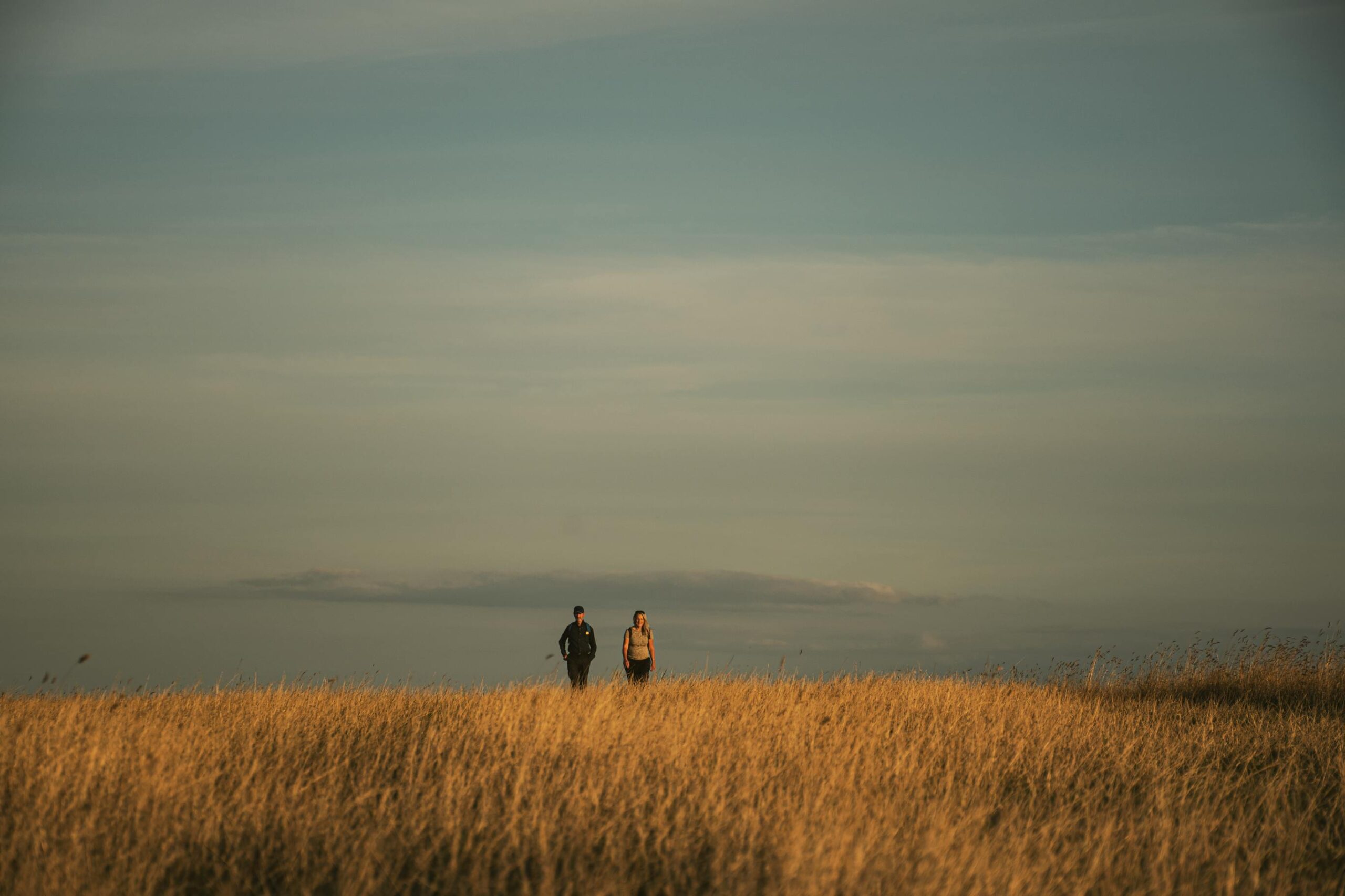
The Lasting Impact of Purposeful Wandering
Slow travel creates ripples that extend far beyond individual journeys. When travelers invest time and energy into understanding different cultures, they become ambassadors who bridge divides and challenge stereotypes. The relationships formed across cultural boundaries contribute to a more connected, empathetic world where differences enrich rather than divide.
Your financial and social investments in communities you visit as a slow traveler create tangible positive impacts. Local businesses thrive, traditional practices find appreciative audiences, and communities benefit from cultural exchange without suffering the exploitative aspects of mass tourism. This reciprocal relationship ensures travel remains sustainable and mutually beneficial.
Perhaps most importantly, slow travel reminds us that the journey itself holds value beyond the destination. In our productivity-obsessed culture, dedicating time to purposeless wandering, unhurried observation, and deep connection represents a radical act of resistance. It affirms that some experiences cannot be optimized or accelerated—they require patience, presence, and the willingness to surrender control.
As you contemplate your next adventure, consider embracing the art of slow travel. Trade your ambitious itinerary for a handful of meaningful destinations. Replace rushed sightseeing with patient immersion. Swap tourist attractions for neighborhood rhythms and superficial encounters for genuine connections. The world reveals its deepest treasures not to those who race across its surface, but to those who linger long enough to truly see, understand, and belong—if only temporarily—to the places that welcome them. 🌏